
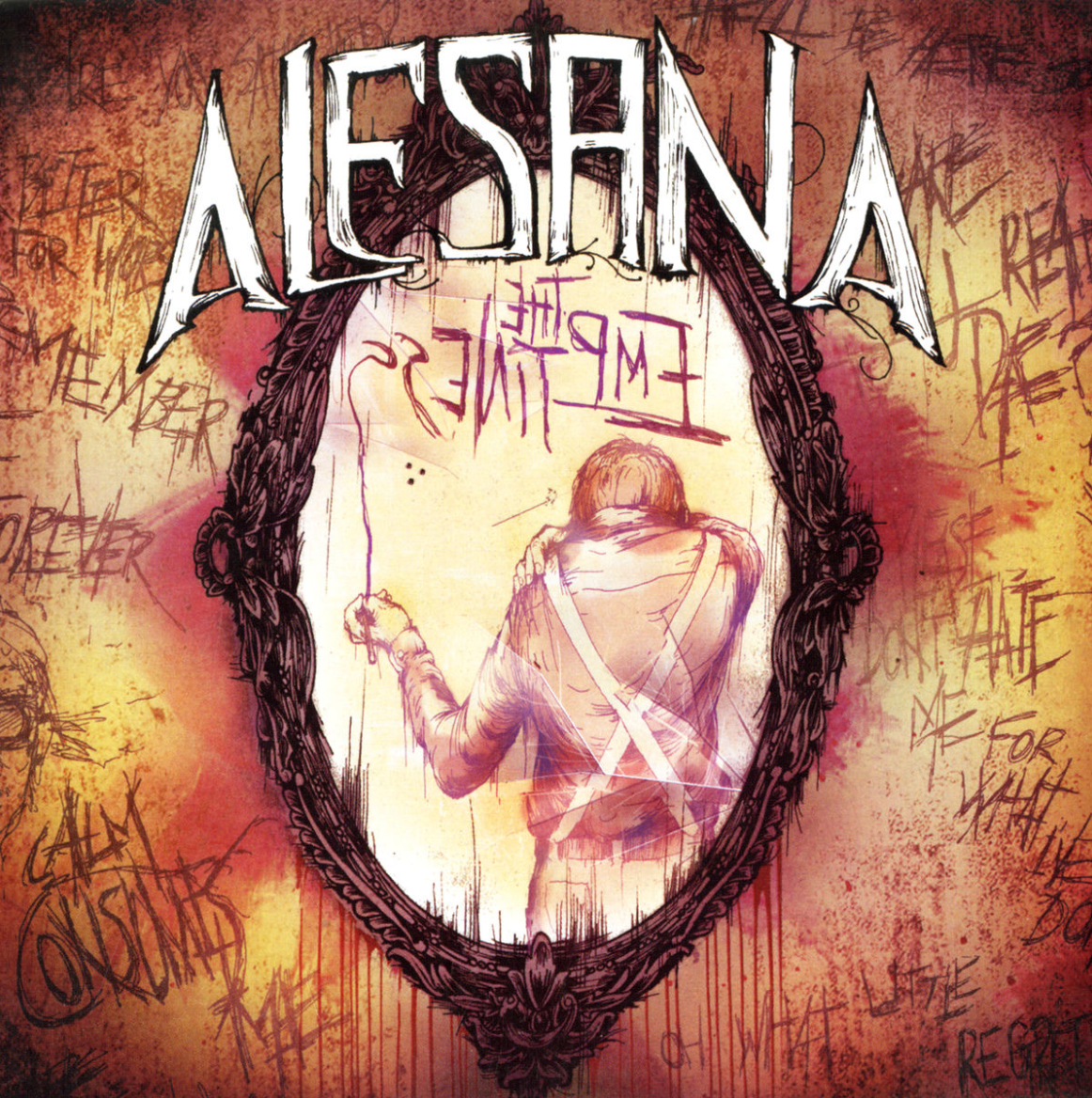
Welcome to another segment on the Average Hrtz music blog! Today, we are going to be covering emo music, a genre of rock music that combines musical characteristics of hardcore punk with emotional, often confessional lyrics. This subgenre has had weird connotations around it for as long as I can remember. I know this because I, myself, have had those same preconceived notions about it.
You hear the word emo, and you immediately associate it with a picture in your mind of a stereotypical 16 year old with black eyeliner, bleached highlights, and four different piercings, with Panic! At The Disco, My Chemical Romance, and Pierce the Veil posters covering their bedroom walls. You don’t typically associate yourself with emo music in public, or at least, you might not be as open about it as you would be with other genres.
But then there are all these different subgenres within the genre that have become more mainstream over the years. Anyone familiar with the scene has probably heard of bands like Hail the Sun, Dance Gavin Dance, A Lot Like Birds, Royal Coda, and Eidola. All great bands operating in their own Swancore-esque corner of music, these groups incorporate elements of post-hardcore, progressive rock, and pop into their sound.
However, they also have ties to emo and screamo that might not be immediately obvious when you’re listening to their more melodic passages, catchy choruses, and technical instrumentals. These influences are part of what makes the music so interesting. You can have intricate guitar work, unexpected time changes, beautiful melodies, and emotionally intense vocals all working together without necessarily sounding like what people traditionally imagine emo music to be.
This is why bands like Alesana can sometimes fly under the radar for listeners who have already discovered the more modern or experimental side of the genre. Alesana leans into the theatrical, dramatic, and emotionally charged qualities that many people associate with traditional emo and screamo.
For someone who has only heard the stereotypes, that sound might initially seem like too much. The screaming, the melodic vocals, the dramatic lyrics, and the overall intensity can be a lot to take in if you aren’t used to it. But I’m here to tell you that not only is that fine, but bands like Alesana, and emo music as a whole, deserve far more credit than they’re given.
And if you’re looking for a place to start, I would recommend The Emptiness, Alesana’s 2010 album. This was my first album from the band, and it’s a great introduction to what makes their music stand out. More importantly, it’s an album that rewards you for giving it your full attention.
Without giving too much away, The Emptiness is a concept album, meaning its songs are connected by a larger narrative rather than simply existing as a collection of unrelated tracks. The album draws heavily from literary storytelling, dark romanticism, and tragic themes, giving it an atmosphere that feels closer to a psychological drama than a typical collection of post-hardcore songs. There is a distinct sense of mystery surrounding the record, and part of the fun is allowing yourself to piece together its world as you listen.
If the vocals initially catch you off guard, give them a chance. Screaming can take some getting used to, especially if you’re accustomed to cleaner vocal performances. But once you become familiar with the way the different vocal styles interact, you may begin to hear them less as a contrast between singing and screaming and more as a conversation between different emotional states. So, if you’ve been curious about emo and screamo but haven’t known where to start, give The Emptiness by Alesana a listen. Go in with an open mind, experience the album for yourself, and let the music speak before the stereotypes do.
Leave a Reply