
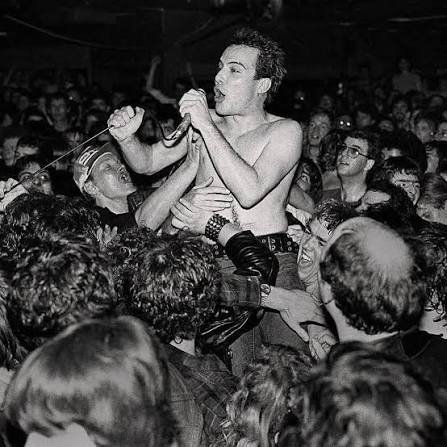
Punk rock didn’t arrive so much as it detonated. In the mid 1970s, in cramped clubs in New York and London, a generation decided that rock music had grown fat, groggy, and boring and that
anyone with a guitar, a grievance, and three chords could say something worth hearing.
The Rise
Ramones played 170 BPM nursery-rhyme pop stripped of every solo. The Sex Pistols made incompetence sound dangerous. The Clash proved punk could carry politics without losing its snarl. Crucially, punk wasn’t just a sound — it was an infrastructure. Fanzines, DIY labels like SST and Dischord, squats, basements, and all-ages shows built a scene that answered to nobody. The message was democratic and slightly unhinged: you don’t need permission.
The Decline (Or So They Said)
By the late ’70s the first wave had self-destructed — heroin, implosions, lawsuits. Every decade since has produced its own obituary: hardcore got faster and meaner, then more rigid; the ’80s
underground splintered into a hundred sub genres; and in the ’90s, when Green Day and The Offspring signed to major labels and “punk” became a mall aesthetic, purists declared the corpse officially
cold. Each time, commercialization seemed to prove the movement couldn’t survive contact with success — the very thing punk existed to reject.
The Twist
But punk turned out to be less a genre than a reflex. Riot grrrl, skate punk, garage revival, post-punk resurgence, and countless local scenes each restarted the clock. The template — cheap gear, self-booked tours, your own zine, no gatekeepers — survived precisely because it never needed the industry to work.
So the honest history isn’t rise and decline. It’s rise, apparent death, rise. Punk keeps dying the way myths do: loudly, repeatedly, and always with a new band waiting in the wings to play the same three chords louder.
Leave a Reply