Category: Discovery

  • Ariel Camacho: The Artist Who Changed the Sound of Corridos

    Ariel Camacho remains one of the most influential artists in modern música mexicana. Born in Sinaloa, Mexico, he became known for his unique voice, emotional songwriting, and incredible talent playing the requinto guitar. As the lead singer of Ariel Camacho y Los Plebes del Rancho, he helped bring sierreño music to a wider audience by combining traditional regional Mexican sounds with a fresh style. Songs such as “Te Metiste,” “El Karma,” and “Hablemos” became important parts of his musical legacy. His 2014 album El Karma especially helped establish a sound that would influence the next generation of regional Mexican artists. Even though his career was tragically cut short when he passed away in a car accident in 2015 at only 22 years old, his music continued to reach new audiences and inspire musicians.

    El País+2

    Today, Ariel Camacho’s influence can be heard in artists such as Natanael Cano, Peso Pluma, Fuerza Regida, Christian Nodal, and Gabito Ballesteros. His guitar-driven sound helped create a foundation for the evolution of corridos tumbados, where traditional Mexican music connects with newer musical influences. His impact was not only about the songs he recorded, but also about showing young musicians that they could build a career around their own sound and creativity. In 2025, Gabito Ballesteros honored him with a version of “Te Metiste,” showing that his music continues to inspire artists years after his passing. For many fans, Ariel Camacho is more than a legendary singer; he is one of the artists who helped shape the sound of a new generation and opened doors for música mexicana to reach audiences around the world.

    Spotify+2

    References

    • Flores, G. (2025, February 24). Remembering Ariel Camacho: ‘His Music & Legacy Live On’. Billboard. Radio 88.8
    • Spotify. (2025, February 26). Gabito Ballesteros honors the legacy of Ariel Camacho with his new Spotify single, “Te Metiste.” Spotify Newsroom
    • Soriano, R. (2025, March 9). Ariel Camacho, the shooting star who inspired the modern corrido. EL PAÍS
  • The Growing Corridos Scene in New York City

    New York City is becoming an important place for música mexicana, especially with the growing Mexican-American community creating its own sound and identity. The term “Puebla York” represents the connection between Puebla, Mexico, and New York City, showing how Mexican culture continues to grow through music, traditions, and community. Two artists contributing to this movement are Izan Rodriguez and Santy y Su Estilo Único. Izan Rodriguez represents the new generation of regional Mexican music and corridos tumbados coming out of New York. Santy y Su Estilo Único, from Ridgewood, Queens, has developed a sound that connects traditional Mexican regional music with New York influences. Their music reflects the experiences of Mexican families and young people who are proud of their roots while growing up in the city.

    Both artists continue to share new music with their audiences. Izan Rodriguez’s Spotify release “DND” is one of the releases to check out as he continues building his presence in the corridos scene. Santy y Su Estilo Único has also been active, releasing the EP Mercadito (En Vivo) in October 2026, along with the single “Tulyehualco” featuring Los de la NE. These releases help show how the New York música mexicana scene continues to develop and reach new listeners. Artists like Izan Rodriguez and Santy y Su Estilo Único are more than musicians; they represent a community keeping its culture alive through music. Their stories show that música mexicana is not limited to Mexico—it is also growing in New York, where a new generation is creating its own chapter in the genre.

    References

    Billboard en Español. (2025, December 10). ¿Puede Puebla York poner a NYC en el radar de la música mexicana? https://billboard.com.es/puede-puebla-york-poner-a-nyc-en-el-radar-de-la-musica-mexicana/

    Amazon Music. (2026). Santy y Su Estilo Único: Mercadito (En Vivo). https://music.amazon.com/artists/B09TTSN442/santy-y-su-estilo-unico

    Apple Music. (2026). Tulyehualco (feat. Los de la NE) – Single. https://music.apple.com/us/album/tulyehualco-feat-los-de-la-ne-single/6820307574

    Spotify. (n.d.). Izan Rodriguez – DND. https://open.spotify.com/album/3c1ryYxUwmXvsWaH1dcSSG

  • The Beauty of Screamo

    The Beauty of Screamo

    Welcome to another segment on the Average Hrtz music blog! Today, we are going to be covering emo music, a genre of rock music that combines musical characteristics of hardcore punk with emotional, often confessional lyrics. This subgenre has had weird connotations around it for as long as I can remember. I know this because I, myself, have had those same preconceived notions about it.

    You hear the word emo, and you immediately associate it with a picture in your mind of a stereotypical 16 year old with black eyeliner, bleached highlights, and four different piercings, with Panic! At The Disco, My Chemical Romance, and Pierce the Veil posters covering their bedroom walls. You don’t typically associate yourself with emo music in public, or at least, you might not be as open about it as you would be with other genres.

    But then there are all these different subgenres within the genre that have become more mainstream over the years. Anyone familiar with the scene has probably heard of bands like Hail the Sun, Dance Gavin Dance, A Lot Like Birds, Royal Coda, and Eidola. All great bands operating in their own Swancore-esque corner of music, these groups incorporate elements of post-hardcore, progressive rock, and pop into their sound.

    However, they also have ties to emo and screamo that might not be immediately obvious when you’re listening to their more melodic passages, catchy choruses, and technical instrumentals. These influences are part of what makes the music so interesting. You can have intricate guitar work, unexpected time changes, beautiful melodies, and emotionally intense vocals all working together without necessarily sounding like what people traditionally imagine emo music to be.

    This is why bands like Alesana can sometimes fly under the radar for listeners who have already discovered the more modern or experimental side of the genre. Alesana leans into the theatrical, dramatic, and emotionally charged qualities that many people associate with traditional emo and screamo.

    For someone who has only heard the stereotypes, that sound might initially seem like too much. The screaming, the melodic vocals, the dramatic lyrics, and the overall intensity can be a lot to take in if you aren’t used to it. But I’m here to tell you that not only is that fine, but bands like Alesana, and emo music as a whole, deserve far more credit than they’re given.

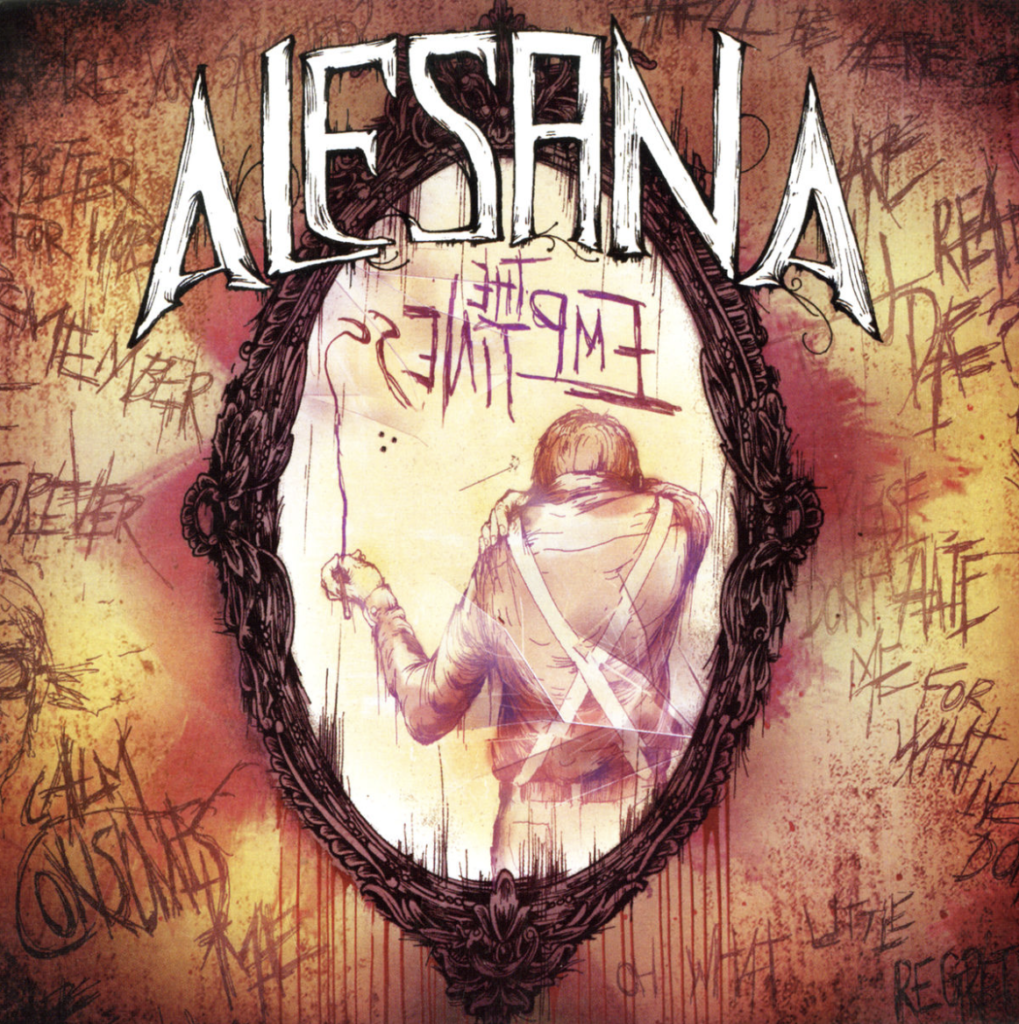
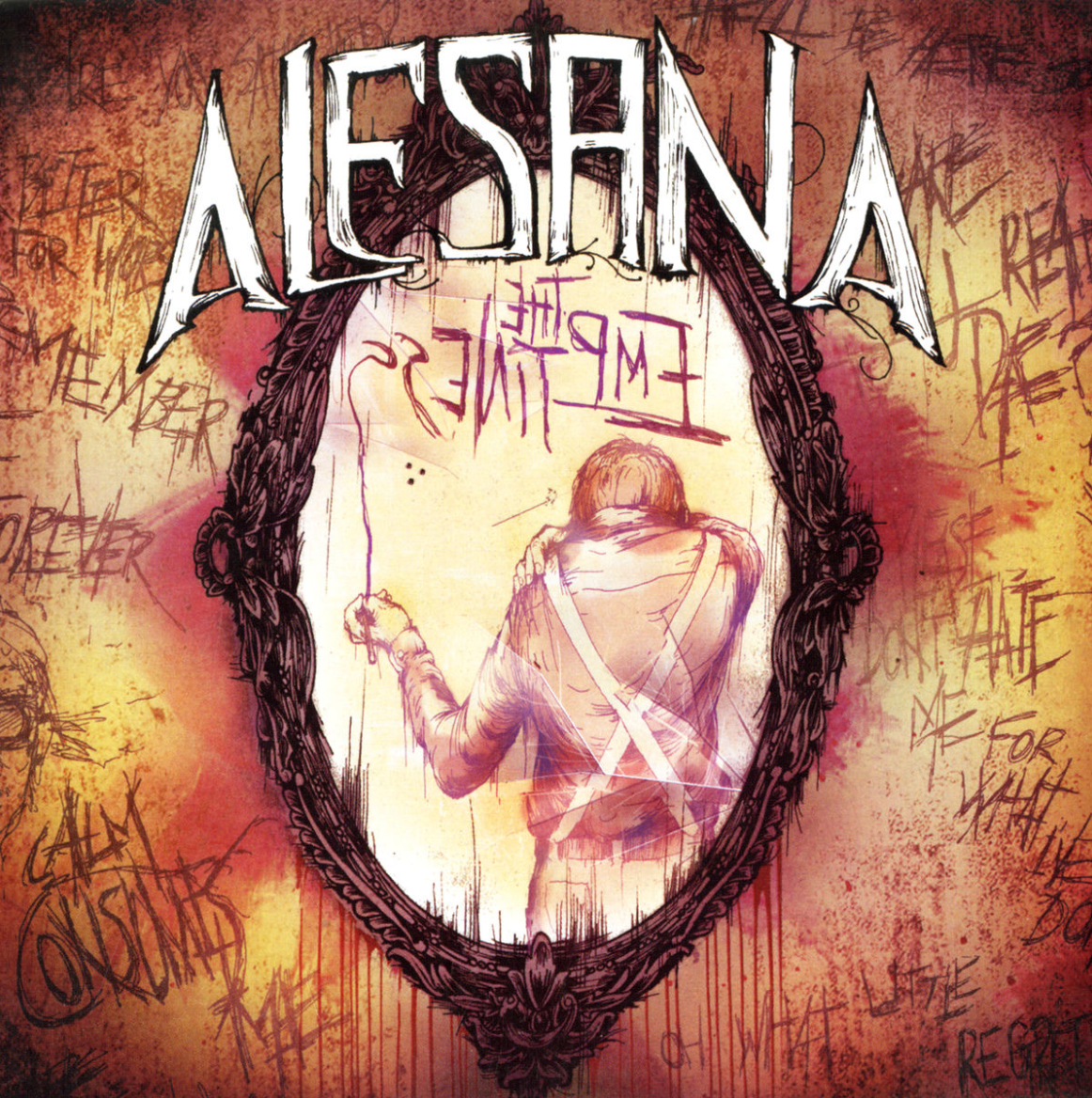
    And if you’re looking for a place to start, I would recommend The Emptiness, Alesana’s 2010 album. This was my first album from the band, and it’s a great introduction to what makes their music stand out. More importantly, it’s an album that rewards you for giving it your full attention.

    Without giving too much away, The Emptiness is a concept album, meaning its songs are connected by a larger narrative rather than simply existing as a collection of unrelated tracks. The album draws heavily from literary storytelling, dark romanticism, and tragic themes, giving it an atmosphere that feels closer to a psychological drama than a typical collection of post-hardcore songs. There is a distinct sense of mystery surrounding the record, and part of the fun is allowing yourself to piece together its world as you listen.

    If the vocals initially catch you off guard, give them a chance. Screaming can take some getting used to, especially if you’re accustomed to cleaner vocal performances. But once you become familiar with the way the different vocal styles interact, you may begin to hear them less as a contrast between singing and screaming and more as a conversation between different emotional states. So, if you’ve been curious about emo and screamo but haven’t known where to start, give The Emptiness by Alesana a listen. Go in with an open mind, experience the album for yourself, and let the music speak before the stereotypes do.

    The Emptiness Album Cover
    The Emptiness – Alesana On Spotify

  • Puebla York: How Cumbia Sonidera Impacts New York City

    Cumbia sonidera has become an important part of New York City’s Mexican music scene, especially among immigrants from Puebla, Mexico. As Mexican families moved to New York during the 1980s and 1990s, they brought their music, traditions, and love for cumbia with them. Cumbia sonidera combines traditional cumbia rhythms with DJs, powerful sound systems, colorful lights, and spoken shout-outs dedicated to friends and family. These parties create spaces where people can dance, celebrate their heritage, and feel connected to their hometowns in Mexico. The nickname “Puebla York” represents the strong relationship between Puebla and New York City, showing how Mexican immigrants have influenced the city’s cultural identity through music, community, and tradition (Bishop, 2011).

    Today, cumbia sonidera continues to connect generations of Mexican Americans while introducing Mexican music to new audiences. Sonidero parties are more than entertainment because they allow people to send messages to loved ones, celebrate special occasions, and maintain connections across borders. In New York neighborhoods such as Queens and the Bronx, this music helps preserve Mexican traditions while allowing younger generations to create their own cultural identity. DJs and musicians are also blending cumbia with modern sounds, showing how the genre continues to evolve without losing its roots. Ultimately, “Puebla York” represents a community that carries its culture wherever it goes, and cumbia sonidera remains one of the sounds that brings Mexican New Yorkers together (McKinney, 2026).

    References

    Bishop, M. (2011, May 13). At Mexican sonidero parties, it’s about the music and the message. WNYC. https://wnyc.org/story/134488-mexican-sonidero-parties-its-about-music-and-message/

    McKinney, M. (2026, April 29). Recognise 105: hellotones “El hijo de PueblaYork”. DJ Mag. https://djmag.com/features/recognise-105-hellotones-el-hijo-de-pueblayork

  • Cuco: His Musical Genre and Artistic Style

    Cuco: His Musical Genre and Artistic Style

    Cuco, whose real name is Omar Banos, is a Mexican-American singer, songwriter, and music producer from Hawthorne, California. He became popular for creating music that combines indie pop, bedroom pop, psychedelic sounds, and Latin influences (AllMusic, n.d.). His music often has a dreamy and relaxing sound that helps listeners connect with the emotions in his songs. Cuco sings in both English and Spanish, allowing him to express his Mexican-American background through his music (Cereijido, 2018). His song “Lo Que Siento” helped him gain popularity, especially among young Latino listeners who connected with his romantic lyrics and unique sound.

    Cuco is an artist who mixes different musical styles to create a sound that represents his personality and cultural background. His music explores themes such as love, heartbreak, relationships, and personal experiences. He combines modern sounds with influences from older music, including Mexican romantic ballads, psychedelic rock, and Chicano soul (Dao, 2025). His album Ridin’ demonstrates his artistic development and his interest in incorporating different musical influences into his work (Dao, 2025). Overall, Cuco is a creative and versatile artist who connects Mexican-American identity with modern music, helping listeners appreciate Latin culture through a fresh musical perspective.

    References

    Cereijido, A. (2018, February 11). A Chicano teen heartthrob finds his spot in the cosmos. Latino USA. https://www.latinousa.org/2018/02/11/chicano-teen-heartthrob-finds-spot-cosmos/

    Dao, D. Q. (2025, July 22). Cuco is ridin’ at his own pace. Cero Magazine. https://www.ceromagazine.com/articles/cuco-ridin-new-album-bedroom-pop-chicano-soul-mexican-american-music-interview

  • Dream Melody

    On the last blog post, we talked about the tragic fate of not knowing the name of a track you really like. Why is this the topic for this week? Well, because I happened to find a song that’s been stuck in my head for ages. It’s really odd, so let me tell you a peculiar story. One night, I woke up from a dream, some melody was playing. That melody continued when I awoke, and I then presumed it was something my mind conceptualized. In that moment; I wish I knew how to read and produce music. The tune sounded really good, almost too good for something supposedly made up from a dream.

    A few days later, I heard that dream music again. I happened to stumble across it in an edit. I then realized I simply remembered a song, and then forgot I heard it. It begs the question, how could a dream remind me of something I forgot about? Weird. Anyway, I looked for the source of the song and it was ‘Alex Jones – My Time Part 2’. Alex Jones is an Australian hip-hop artist, notable works are Blood Runs Deep and duo with Son of Sam, Lgeez.

    As always, we close these blogs with an embed of the song. While I prefer the unofficial instrumental, I have to respect the untouched work of the original artist.

  • Name of the Song

    Has anyone had an ear worm but had trouble finding the name of the song? I experienced this occasionally, it happens to be a phenomenon that plagues many listeners. You would hear a song you’ve heard before at the mall, in a restaurant, in an edit, but to no avail — no mention of a source. This is a PSA to music enthusiasts out there to keep the Google app handy. In the main menu of the app, if you tap the microphone and then ‘Search a song’, it will pick up the source right away. 

    Some hurdles with song the search engine may be finding a more indie, underground-like song through Google’s song search. This song could be from an underrated artist, or a song far too recent for its data to be preserved in the library. As we distribute songs to Google’s database, we must consider the indexing delay. What exactly is the alternative to finding underground tracks? Look no further than Pigeonburger’s SongFinderBot. Their handle is @songfinder_bot on Twitter, SongFinderBot is viable on Discord as well. Here’s their website, worth checking out: https://pigeonburger.xyz/songfinderbot/

    That’s all for this blog, folks. I’ll leave you with this indie-pop hit by Strawberry Guy: