Author: Justin Hunter

  • Before the Fame, Beyond the Hybrid Theory

    Welcome to another installment of the Average Hertz music blog. Today, we are going to be discussing a hallmark rock band that everyone should know the name of, and that is none other than Linkin Park.

    Now, usually on an Average Hertz music blog, we discuss or put a spotlight on more under-the-radar bands and overlooked genres that the average listener may or may not have come in contact with. But with Linkin Park, practically anybody has heard of the name by now. Whether it be through radio, YouTube reactions, social media posts, or just overall nostalgia for the early 2000s, Linkin Park is one of those lightning-in-a-bottle moments in music history.

    The band managed to fuse hip-hop and metal in a way that felt remarkably natural, helping bring nu-metal to an entirely different audience.

    While a lot of nu-metal bands eventually became associated with a particular sound or gimmick that was synonymous with the era they came from, Linkin Park managed to avoid being confined to that identity. They are one of those rare mainstream rock projects that continued to evolve, sometimes to the point where depending on which album you pick up, you might think you’re listening to an entirely different band altogether.

    From the aggressive, hip-hop-influenced sound of Hybrid Theory and Meteora to the more experimental electronic production of A Thousand Suns, Linkin Park has always been willing to challenge what its audience expects.

    That being said, the tragic passing of Chester Bennington in 2017 marked a monumental loss for the band, its fans, and the wider music community.

    Chester’s voice was such an integral part of Linkin Park’s identity that imagining the band without him was difficult for many people. His ability to transition from vulnerable melodic singing to some of the most explosive screams in mainstream rock was something that made him immediately recognizable.

    Following his passing, the remaining members, including Mike Shinoda, Brad Delson, Dave “Phoenix” Farrell, Rob Bourdon, and Joe Hahn, faced the difficult task of navigating their musical legacy while fans continued to revisit the music that had meant so much to them.

    In the years that followed, expanded anniversary releases, archival material, and previously unreleased recordings gave listeners an opportunity to revisit the band’s history from a different perspective. Through these releases, fans were able to hear earlier versions of familiar songs, unfinished ideas, and recordings that predated the version of Linkin Park most people grew up listening to.

    These recordings are particularly interesting because they reveal just how much experimentation went into developing the band’s identity. Namely, collections such as the Hybrid Theory EP, the early Xero recordings, and the various Linkin Park Underground rarities offer a fascinating look into the band’s musical evolution.

    When you think of Linkin Park, the first things that probably come to mind are Chester’s screaming and singing, Mike’s rapping, Joe Hahn’s turntables and sampling, and Brad Delson’s crunchy guitar riffs.

    You have that recognizable combination of electronic production, hip-hop rhythms, heavy guitar work, and emotionally charged vocals. What you may not expect to hear in a Linkin Park song, however, is something that sounds closer to 1990s grunge. And that’s where things get interesting.

    Before Linkin Park became the household name we know today, the band went through several different identities. One of the earliest iterations was known as Xero, a project formed by Mike Shinoda, Brad Delson, and drummer Rob Bourdon, alongside vocalist Mark Wakefield. 

    At this point, the group was still trying to establish what it wanted to sound like. You can hear the beginnings of the hip-hop influences that would eventually become a major part of Linkin Park’s identity, but the music was considerably different from what would later appear on Hybrid Theory.

    The early recordings have a rawer, less polished quality, and there are moments where the music leans more heavily into alternative rock than the aggressive nu-metal sound that eventually made the band famous.

    Before the group found its footing, it was experimenting with different vocal approaches, instrumental arrangements, and songwriting techniques.

    The departure of Mark Wakefield was another important turning point. Following his departure, the group continued searching for a vocalist who could complement Mike’s approach to songwriting. The most interesting thing about exploring the Xero recordings is hearing how much of the band’s identity was already there, even if it wasn’t fully developed. The hip-hop influence, the alternative rock sensibilities, and the willingness to experiment were all present in some form. 

    That’s what makes these recordings worth exploring. They remind you that Linkin Park wasn’t built around a single musical influence. The band was taking different pieces of the music they grew up listening to and finding ways to make them work together.

    Eventually, the man himself, Chester Bennington would enter the picture, and the chemistry between the musicians helped establish the foundation for what would become Hybrid Theory. Stay tuned for the next post where we dive into just what about Chester that transformed the band into the Linkin Park we soon came to all love!
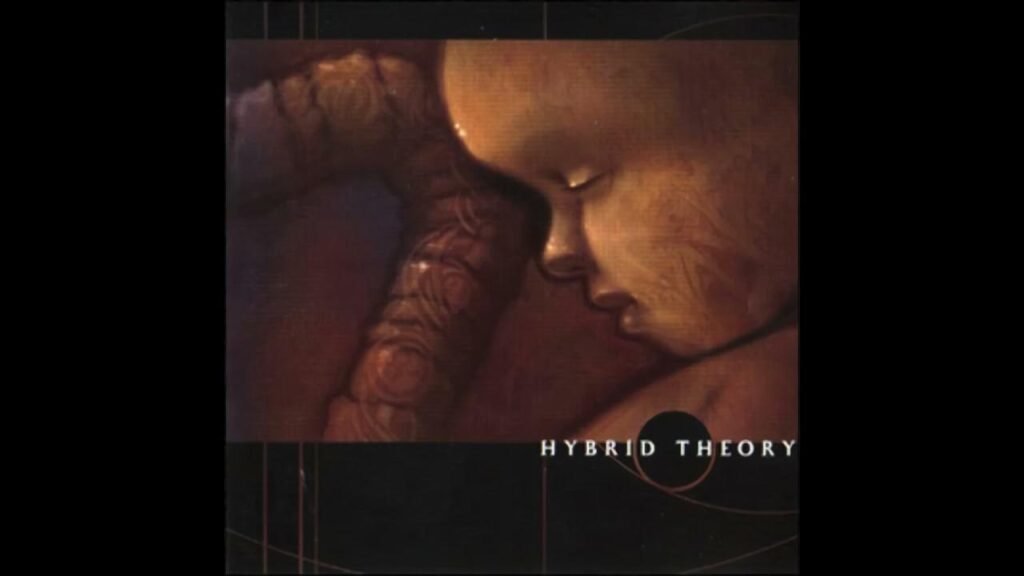
    Linkin Park Hybrid Theory EP Cover
  • The comedy of I Set My Friends On Fire

    Welcome to another segment on the Average Hrtz music blog. Today, we are going to be covering a specific band by the name of I Set My Friends on Fire. Quite the band name, if I do say so myself. I randomly stumbled across this band on YouTube, actually. A favorite reactor of mine decided to cover their first album as a first time reaction, and I, on a whim, decided to participate, even though I had no knowledge of the band before the video. And I am not typically one to do that.

    I like to deep dive into a band’s entire discography before I listen to anyone else reacting to or giving their opinions on said music, because I don’t have a baseline. I want to know what I’m getting myself into before someone else’s commentary influences how I hear it.

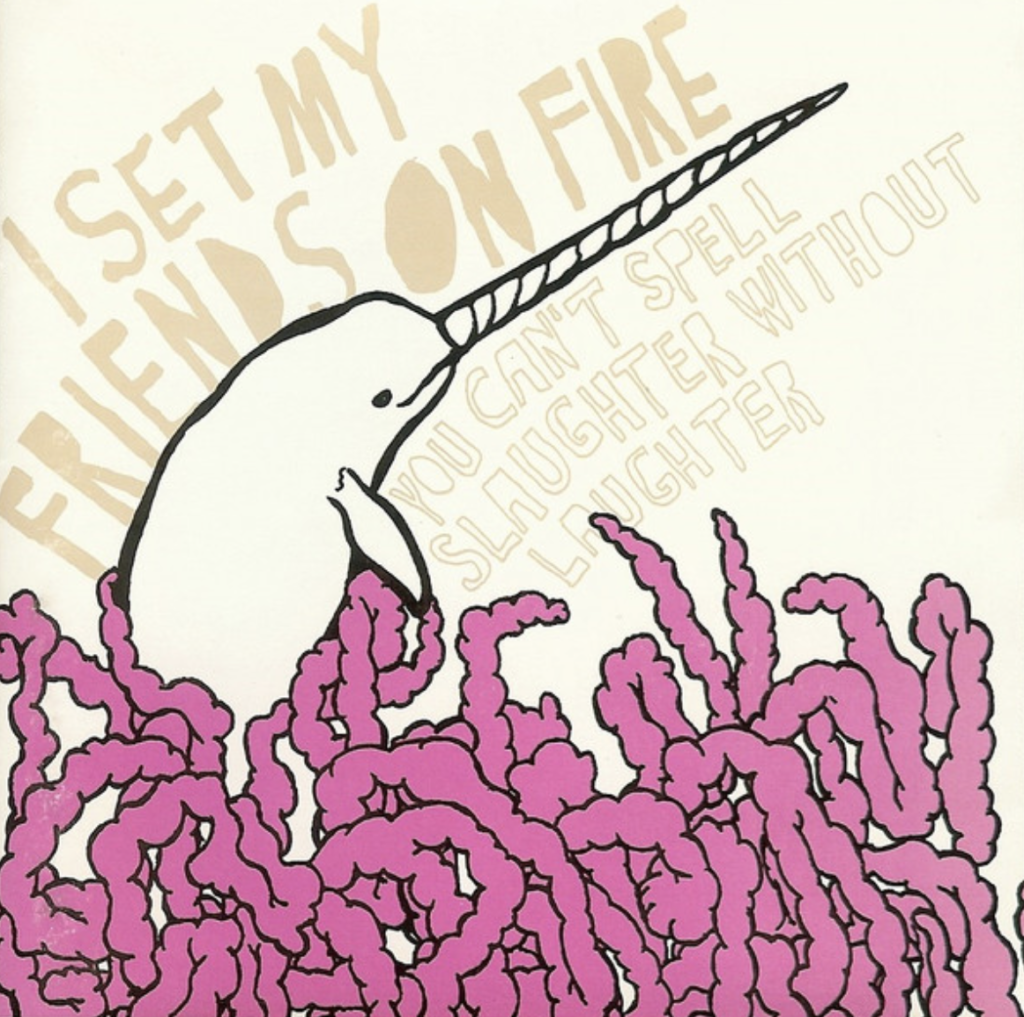
    But this time, I saw a narwhal on the album cover in the reactor’s thumbnail, and I just had to see for myself, because there’s no way the music itself would be something I listened to on my own. So I just had to see what they were cooking up over there.

    Looking back, that was one of the best decisions I think I’ve made in retrospect. If I had followed my usual routine of researching a band’s entire discography before listening to anyone else’s opinions, I might have approached ISMFOF very differently. Instead, I stumbled into the experience with almost no expectations, guided by nothing more than a strange band name and a narwhal on a thumbnail.

    And somehow, that was enough.

    You Can’t Spell Slaughter Without Laughter is an album that embraces its own weirdness. It combines aggressive vocals, electronic experimentation, and unpredictable songwriting into something that can be difficult to process on the first listen. It isn’t always pretty, it isn’t always accessible, and it certainly isn’t interested in making every listener comfortable.

    Is this an album that you can seriously recommend to anyone? Absolutely not, but that is precisely why I think it is worth discussing.

    Music doesn’t always have to be beautiful in the traditional sense. It can be abrasive, ridiculous, chaotic, and even a little annoying before it becomes interesting. Sometimes, the value of an album lies in its ability to make you question your expectations and encourage you to explore sounds you might otherwise dismiss.

    I Set My Friends on Fire did that for me. What started as a spontaneous YouTube discovery turned into an album I could appreciate more with each subsequent listen. And while I still understand why someone might be completely thrown off by those opening vocals, I have grown to appreciate the personality and experimentation behind the chaos.

    You Can't Spell Slaughter Without Laughter album cover
    You Can’t Spell Slaughter Without Laughter – I Set My Friends On Fire On Spotify
  • The Beauty of Screamo

    The Beauty of Screamo

    Welcome to another segment on the Average Hrtz music blog! Today, we are going to be covering emo music, a genre of rock music that combines musical characteristics of hardcore punk with emotional, often confessional lyrics. This subgenre has had weird connotations around it for as long as I can remember. I know this because I, myself, have had those same preconceived notions about it.

    You hear the word emo, and you immediately associate it with a picture in your mind of a stereotypical 16 year old with black eyeliner, bleached highlights, and four different piercings, with Panic! At The Disco, My Chemical Romance, and Pierce the Veil posters covering their bedroom walls. You don’t typically associate yourself with emo music in public, or at least, you might not be as open about it as you would be with other genres.

    But then there are all these different subgenres within the genre that have become more mainstream over the years. Anyone familiar with the scene has probably heard of bands like Hail the Sun, Dance Gavin Dance, A Lot Like Birds, Royal Coda, and Eidola. All great bands operating in their own Swancore-esque corner of music, these groups incorporate elements of post-hardcore, progressive rock, and pop into their sound.

    However, they also have ties to emo and screamo that might not be immediately obvious when you’re listening to their more melodic passages, catchy choruses, and technical instrumentals. These influences are part of what makes the music so interesting. You can have intricate guitar work, unexpected time changes, beautiful melodies, and emotionally intense vocals all working together without necessarily sounding like what people traditionally imagine emo music to be.

    This is why bands like Alesana can sometimes fly under the radar for listeners who have already discovered the more modern or experimental side of the genre. Alesana leans into the theatrical, dramatic, and emotionally charged qualities that many people associate with traditional emo and screamo.

    For someone who has only heard the stereotypes, that sound might initially seem like too much. The screaming, the melodic vocals, the dramatic lyrics, and the overall intensity can be a lot to take in if you aren’t used to it. But I’m here to tell you that not only is that fine, but bands like Alesana, and emo music as a whole, deserve far more credit than they’re given.

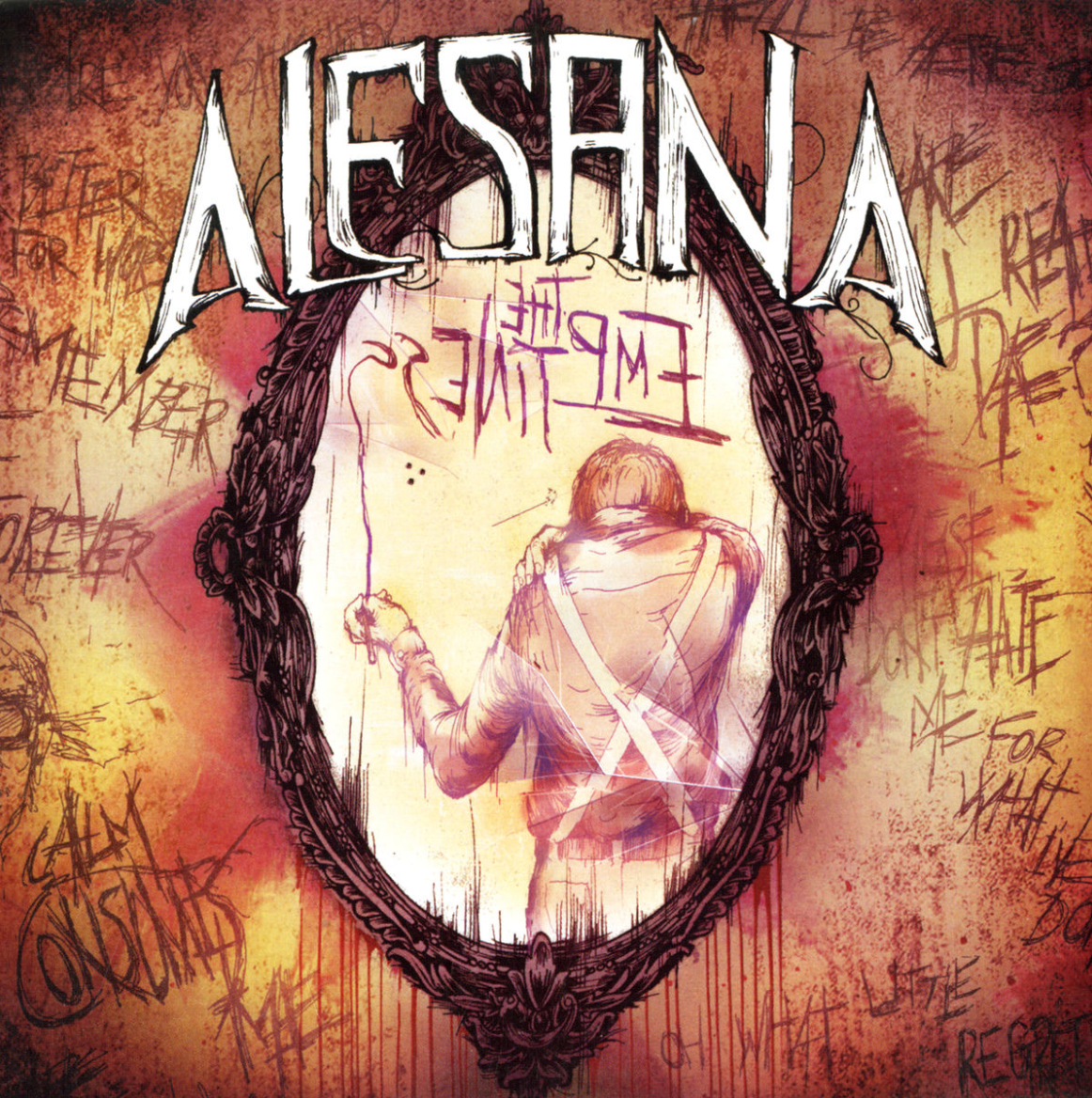
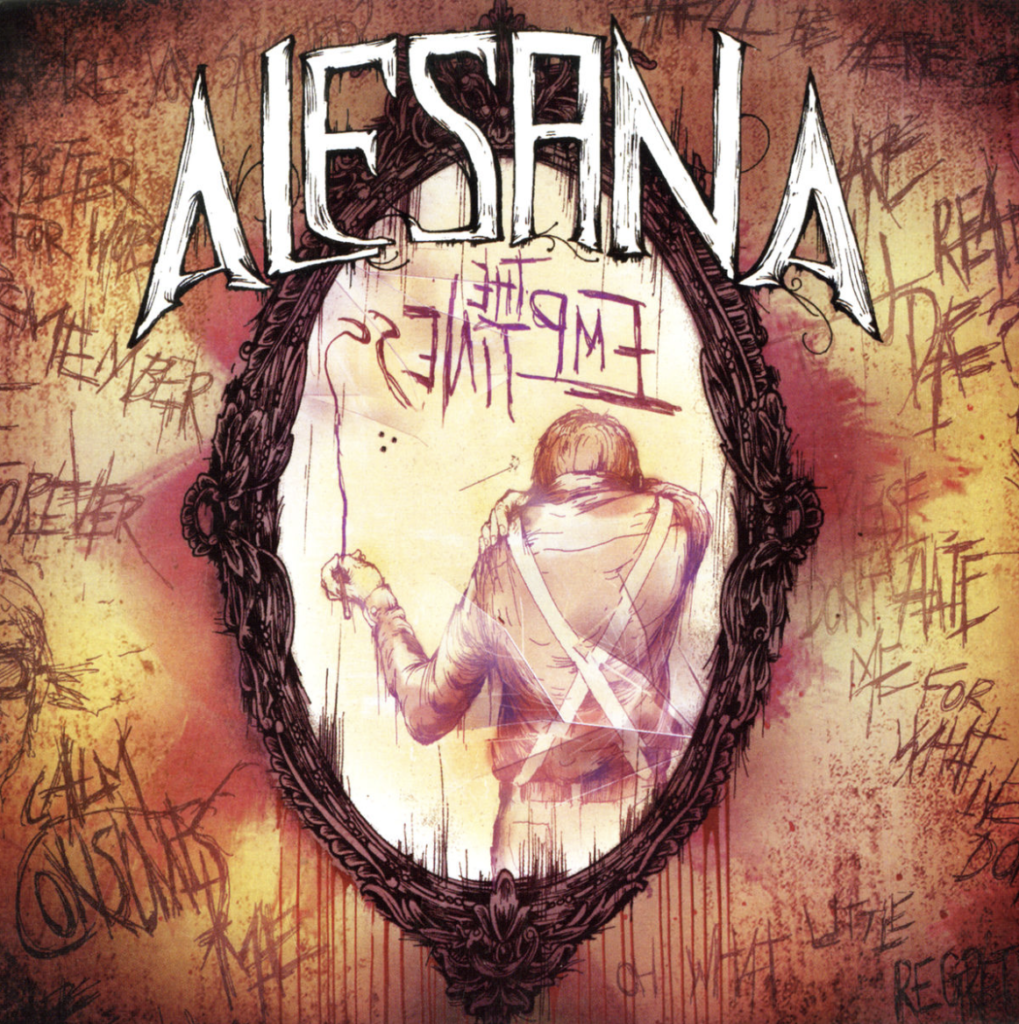
    And if you’re looking for a place to start, I would recommend The Emptiness, Alesana’s 2010 album. This was my first album from the band, and it’s a great introduction to what makes their music stand out. More importantly, it’s an album that rewards you for giving it your full attention.

    Without giving too much away, The Emptiness is a concept album, meaning its songs are connected by a larger narrative rather than simply existing as a collection of unrelated tracks. The album draws heavily from literary storytelling, dark romanticism, and tragic themes, giving it an atmosphere that feels closer to a psychological drama than a typical collection of post-hardcore songs. There is a distinct sense of mystery surrounding the record, and part of the fun is allowing yourself to piece together its world as you listen.

    If the vocals initially catch you off guard, give them a chance. Screaming can take some getting used to, especially if you’re accustomed to cleaner vocal performances. But once you become familiar with the way the different vocal styles interact, you may begin to hear them less as a contrast between singing and screaming and more as a conversation between different emotional states. So, if you’ve been curious about emo and screamo but haven’t known where to start, give The Emptiness by Alesana a listen. Go in with an open mind, experience the album for yourself, and let the music speak before the stereotypes do.

    The Emptiness Album Cover
    The Emptiness – Alesana On Spotify